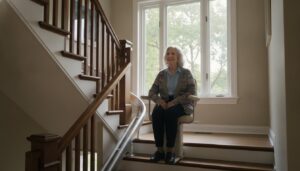
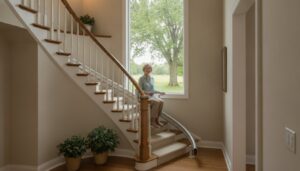
If your stairlift stops moving, is a licensed elevator mechanic really the person you should call? While Indiana maintains strict standards for these professionals, including a $100 licensing fee and a mandatory competency exam on February 11, 2026, the expert you need for your home is often different than the one servicing a downtown high-rise. We understand how frustrating it feels when you’re stuck on one floor. It’s more than just a mechanical glitch; it’s a sudden barrier to the life you’ve built in the home you love. You deserve to feel completely safe and secure every time you press that start button.
This guide helps you learn the vital differences between commercial elevator mechanics and home mobility experts to ensure your Indiana home remains safe and accessible. We’ll explore the specific training requirements and show you how to find a qualified professional who treats your family with the respect you deserve. You’ll gain a clear understanding of who to call so you can restore your independence without the guesswork. If you need help right now, you can Get Your Free Same-Day Estimate to get back to moving freely.
Key Takeaways
- Learn why a commercial elevator mechanic focuses on high-rises, while your home requires a specialized technician to maintain your stairlift’s safety features.
- Discover the critical differences between multi-story commercial systems and the personalized equipment designed for your home’s accessibility and dignity.
- Understand how factory-trained experts protect your equipment warranty and ensure your system operates reliably for your long-term peace of mind.
- Find out how to verify local Indiana credentials and 24/7 support to ensure you are never left without a way to navigate your home safely.
- Gain a clear path to restoring your independence and staying in the home you love with total confidence in your equipment’s safety.
What Does an Elevator Mechanic Actually Do in Indiana?
Most people think of skyscrapers and office buildings when they hear the term elevator mechanic. In Indiana, this trade covers a wide range of conveyance systems, from massive freight lifts in industrial parks to the quiet, reliable lift in your own hallway. To understand What is an Elevator Mechanic? you have to look at the mix of mechanical and electrical expertise required to keep passengers moving safely. These professionals are responsible for the installation, maintenance, and repair of systems that many of us take for granted until they stop working. They ensure that every component, from the smallest fuse to the heaviest motor, functions perfectly to protect your safety.
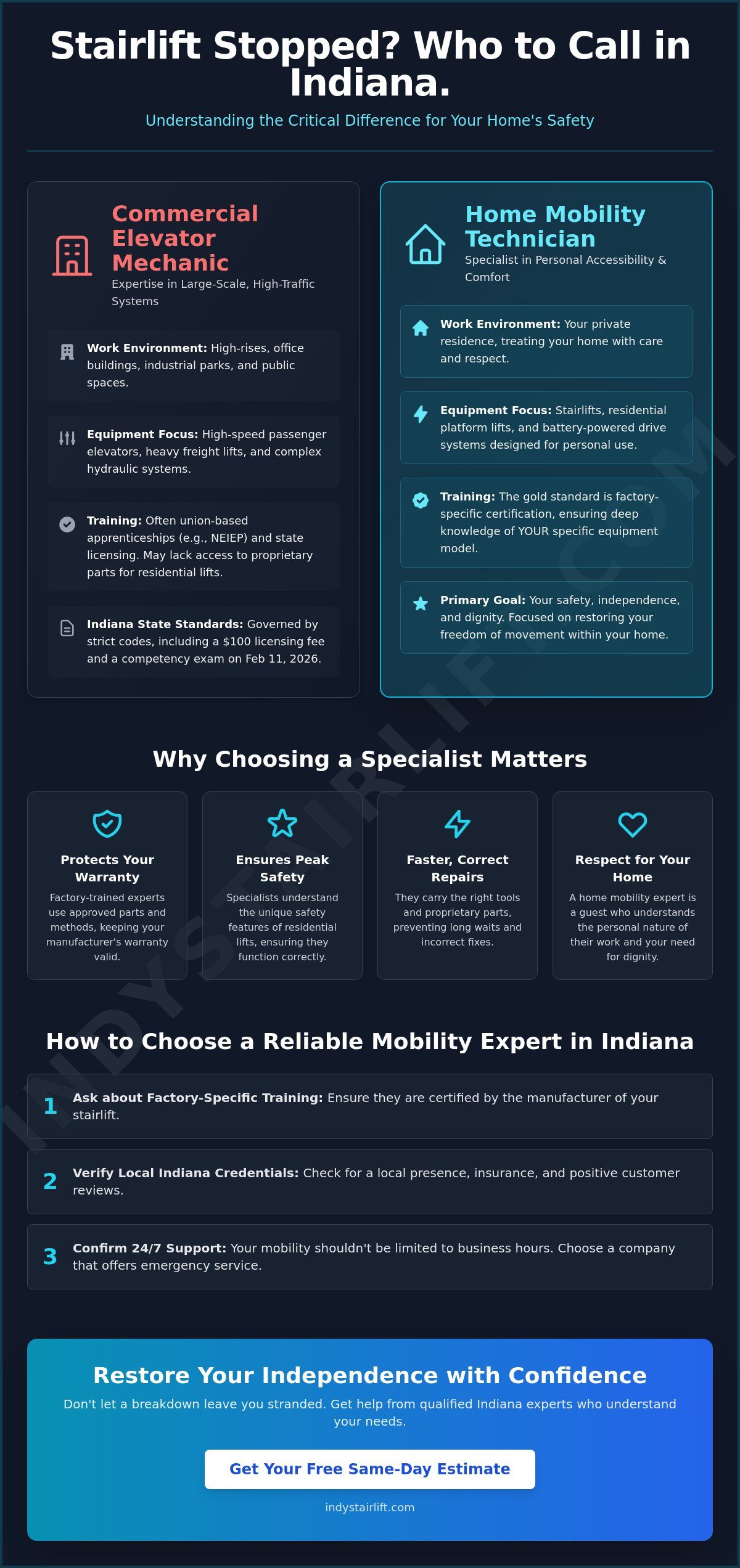
There’s a vital distinction between a commercial union mechanic and a residential mobility specialist. Commercial mechanics often focus on high-speed, high-traffic systems found in downtown Indianapolis office buildings. Residential specialists, however, focus on the unique needs of homeowners. They understand that a malfunctioning lift isn’t just a building maintenance issue; it’s a barrier to your dignity and independence. While the core mechanical principles are similar, the approach is different. A home technician treats your living space with the same care they would show their own family’s home.
The Daily Responsibilities of a Conveyance Expert
Indiana state codes are strict for a reason. A technician’s day involves more than just turning a wrench. They use advanced diagnostic equipment, like multimeters and specialized control board interfaces, to troubleshoot complex electrical circuits. Whether it’s testing hydraulic pressure or checking the tension on a drive cable, every action is centered on your security. They perform routine inspections to catch worn rollers or frayed cables before they cause a breakdown. This proactive care ensures your peace of mind remains intact and your equipment stays reliable.
Education and Training Requirements in Indiana
The path to becoming a licensed professional in Indiana is rigorous. Many start with apprenticeship programs like the National Elevator Industry Educational Program (NEIEP), which emphasizes a “learn while you earn” model. While this prepares someone for large-scale industrial work, factory-specific certification is the true gold standard for home mobility. Manufacturers of specialized equipment provide their own intensive training. This ensures the person in your home knows your specific stairlift or platform lift inside and out. It’s this specialized knowledge that protects your equipment warranty and your long-term safety.
Elevator Mechanic vs. Mobility Technician: Which Do You Need?
Choosing the right professional depends entirely on the environment where the equipment lives. If you’re managing a twenty story office building in downtown Indianapolis, you’ll certainly need a licensed elevator mechanic. These experts are trained to handle the massive scale of industrial transport. However, when the equipment is inside your private residence, the technical requirements and the personal approach change significantly. You aren’t just looking for someone to fix a machine; you’re looking for a guest in your home who understands that your independence is on the line.
It’s a common mistake to assume that any professional who works on lifts can fix a residential stairlift. In reality, a commercial mechanic might not have access to the specific proprietary parts or the factory software needed for home accessibility tools. Their daily work focuses on high-speed cables and heavy hydraulics, which are worlds apart from the precision rails and battery-powered drive systems found in your hallway. Hiring the wrong specialist can lead to long wait times for parts or, worse, repairs that don’t meet the manufacturer’s safety standards.
Commercial Elevators: Complexity and Scale
Commercial systems are designed for high-capacity use, often moving hundreds of people every single day. Because of this, the career as an elevator mechanic involves rigorous training in industrial safety and union-led maintenance protocols. In busy hubs like Fort Wayne or Evansville, these professionals focus on speed, efficiency, and strict adherence to commercial building codes. They work in loud, fast-paced environments where the goal is to keep the flow of traffic moving without interruption.
Residential Lifts: Personalized Safety and Comfort
In contrast, mobility technicians specialize in the equipment that helps you stay in the home you love. Their expertise covers stairlifts, vertical platform lifts, and residential ramps. This work requires a unique blend of technical skill and emotional intelligence. We know that having a technician in your home can feel intrusive, so our team prioritizes your comfort and dignity. We focus on preserving the aesthetics of your living space while ensuring every safety sensor is calibrated perfectly. If you’re unsure which solution fits your space, you can Get Your Free Home Assessment to find a path forward that feels right for your family. We treat your home with the same care we’d give our own relatives, ensuring you feel secure and respected throughout the entire process.
Why Specialized Training Matters for Home Accessibility
Your home is your sanctuary, and the equipment that helps you move through it should be a source of comfort, not worry. While it might be tempting to call a general handyman or attempt a DIY fix when a lift acts up, specialized training is what keeps your family safe. In Indiana, the Indiana elevator mechanic license requirements ensure that professionals have a baseline of technical knowledge. However, for residential equipment, you need someone who goes beyond the basics to understand the specific nuances of home-based technology.
A general elevator mechanic might be an expert on skyscraper systems, but home mobility units use different safety sensors and battery-backed power systems. These components are designed specifically to keep you moving even during a power outage. If these are handled incorrectly, the result can be more than just a broken machine; it can be a genuine safety hazard. We believe that your home should be the safest place on earth, and that starts with expert care.
The Risks of Unqualified Repairs
General mechanics often make the mistake of using “close enough” parts when working on specialized mobility units. This is a dangerous gamble. Improper wiring can lead to sudden system failure or electrical shorts that put your home at risk. When it comes to your independence, “close enough” isn’t good enough. We’ve seen cases where uncertified repairs actually disabled critical safety sensors, leaving the user vulnerable. Trusting your safety to someone without specific factory training can turn a simple repair into a long-term headache that threatens your ability to stay in the home you love.
What Factory-Trained Means for Your Family
When we say our technicians are factory-trained, it means they have direct access to the manufacturer’s proprietary diagnostic software and genuine parts. This specialized knowledge is the only way to ensure your stairlift warranty remains valid. Most manufacturers will void a warranty if an uncertified person opens the drive unit. By choosing an expert, you protect your investment and your peace of mind.
Our team works efficiently to restore your freedom. We often complete a stairlift installation or a complex repair in just one day. This minimizes the time you spend struggling with stairs and gets you back to the life you love. You don’t have to wait weeks for a solution or worry about whether the job was done right. If you want to ensure your home equipment is in the best possible hands, Get Your Free Same-Day Estimate and let us help you reclaim your space. We treat every installation with the same care and precision we would use in our own relatives’ homes.
How to Choose a Reliable Mobility Expert in Indiana
Finding a professional you can trust to enter your home is a significant decision. It involves more than just verifying technical skills; it’s about finding a partner who values your dignity and independence as much as you do. In Indiana, the Department of Homeland Security (IDHS) maintains a list of licensed contractors, but a high-rise elevator mechanic might not be the best fit for your private residence. Choosing a local expert with deep community roots ensures that the person working on your equipment treats you with the same respect they would show their own family. We believe in the power of local accountability. When you hire a company with physical roots in our state, you aren’t just a number on a spreadsheet. You’re a neighbor.
Personalized home assessments are the foundation of a safe and secure installation. Every staircase in an Indiana home is unique, and a one-size-fits-all approach simply doesn’t work. A true expert will visit your home to measure your space and listen to your specific needs. They will discuss your daily challenges and offer a solution that fits your lifestyle perfectly. Reading local reviews from fellow Indiana seniors can give you a clear picture of what to expect. Look for stories that mention patience, compassion, and a commitment to long-term reliability. We also recommend looking for a provider that offers 24/7 on-call support. Mobility challenges don’t follow a 9-to-5 schedule, and your safety shouldn’t have to wait until Monday morning.
Key Questions to Ask Before You Hire
- “Are your technicians factory-certified for my specific brand of lift?”
- “Do you offer a lifetime warranty on your installation work?”
- “How quickly can you respond to a service call in my part of Indiana?”
Red Flags to Avoid in the Mobility Industry
Watch out for high-pressure sales tactics. If a company pushes for an immediate signature or prioritizes profit over your individual safety needs, it is time to walk away. Many national corporations operate through faceless call centers with no physical presence in the Hoosier state. This often leads to long delays and a lack of personal accountability. You should also be wary of vague pricing or a refusal to provide a free home estimate. A reputable local partner will always be willing to provide a clear, written assessment without any hidden fees or obligations. If you are ready to reclaim your independence with a trusted local guide, you can Get Your Free Same-Day Estimate today to start your journey toward a safer home.
Indiana Home Safety & Mobility: Your Local Indiana Experts in Home Mobility
Indiana Home Safety & Mobility stands as a dedicated partner for families across the state. While a commercial elevator mechanic is essential for the infrastructure of our cities, we focus on the infrastructure of your life. We’re a locally owned, independent business that understands the value of a neighborly handshake. We don’t just see a mechanical challenge; we see a family member who wants to regain their freedom. Our approach combines high-level technical skill with the warmth you’d expect from a family-oriented business that treats every client like one of our own.
Choosing us means you’re working with people who live and work in your community. We’ve spent years building trust throughout Indiana, from the quiet streets of Carmel to the bustling neighborhoods of Evansville. We provide a specialized alternative to a general elevator mechanic by focusing exclusively on the unique needs of home accessibility. Our goal is to ensure you never feel like a number in a database, but a valued member of our local community. We take personal accountability for your safety and comfort, ensuring your home remains the sanctuary it was meant to be.
Comprehensive Solutions for Every Indiana Home
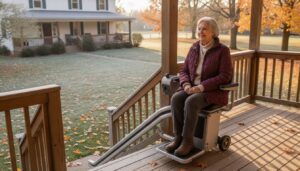
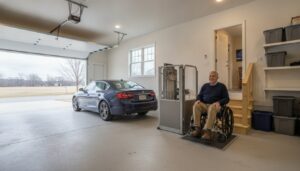
We offer tailored options for every home layout. This includes expert installation for straight, curved, and outdoor stairlifts that help you navigate your home with ease. For those requiring wheelchair access between levels, we provide reliable service for vertical platform lifts. Our factory-trained technicians calibrate every sensor and safety feature to ensure your equipment is as reliable as it is comfortable. We focus on the life-changing outcomes of these tools, such as reclaiming your favorite upstairs bedroom or accessing your garden again. Every modification is designed to preserve the dignity and aesthetics of the home you love.
Get Started with a Trusted Indiana Partner
Starting your journey toward a safer home is simple and stress-free. We begin with an unhurried consultation to understand your specific mobility goals. Our technicians treat your home with the same respect they would show their own relatives, ensuring a clean and professional one-day installation. We provide ongoing support long after the installation is complete, so you always have a local expert to call if your needs change. If you’re ready to reclaim your independence and move freely through your living space, you can Get Your Free Same-Day Estimate today and see why so many Indiana families trust us with their safety.
Reclaim Your Freedom and Stay in the Home You Love
Understanding the difference between a commercial elevator mechanic and a specialized mobility technician is the first step toward a safer home. You now have the knowledge to choose a partner who prioritizes your dignity and protects your equipment’s warranty through factory-trained expertise. Your home should be a place of total comfort; not a source of worry or physical barriers. We’re dedicated to helping you move freely through every room again.
As a locally owned and operated business in Indiana, we provide the personal accountability that national corporations simply can’t match. Our certified technicians are available for 24/7 on-call emergency support, ensuring you’re never left stranded. We treat your family with the same compassion we’d show our own relatives. You can Get Your Free Same-Day Estimate right now to begin restoring your independence. We’re ready to help you reclaim your entire living space and stay secure in the home you’ve always loved.
Frequently Asked Questions
Does an elevator mechanic fix stairlifts in Indiana?
While a licensed elevator mechanic can technically work on various conveyance systems, they typically focus on high-traffic commercial elevators rather than residential stairlifts. Stairlifts require specialized factory training to ensure safety sensors and drive systems are calibrated correctly for a home environment. We recommend hiring a technician specifically trained in residential mobility to maintain your warranty. This ensures your home remains a safe sanctuary where you can move with total confidence.
What is the difference between a residential lift and a commercial elevator?
Commercial elevators are designed for high-traffic buildings with multiple floors and hundreds of daily users, while residential lifts are personalized tools for individual accessibility. Commercial systems often use heavy hydraulic or traction systems that require frequent industrial inspections. Residential equipment, like stairlifts, is quieter and more compact. It focuses on helping you reclaim your entire living space with dignity and comfort without the large footprint of an industrial system.
Do I need a special license to install a stairlift in my Indiana home?
Homeowners in Indiana don’t need a personal license to have a stairlift installed, but the work should be performed by a professional who understands the local elevator mechanic standards and state safety codes. The Indiana Department of Homeland Security (IDHS) oversees these regulations to ensure passenger safety. Using factory-trained technicians ensures your installation provides long-term peace of mind and full compliance with the most current state standards.
How often should my home mobility equipment be serviced by a technician?
You should have your home mobility equipment serviced at least once every 12 months to ensure continued safety and reliability. Regular maintenance visits allow a technician to check battery health, tighten rail bolts, and lubricate moving parts. This proactive approach prevents unexpected breakdowns and helps you stay in the home you love without the anxiety of a sudden mechanical failure. It’s a simple, vital step for lasting independence.
Can a general electrician repair my vertical platform lift?
A general electrician can handle basic power supply issues, but they lack the specialized diagnostic software and proprietary parts needed for a vertical platform lift. These lifts use complex safety sensors and mechanical interlocks that require specific mobility training. Trusting a specialized technician ensures that every mechanical component is synchronized with the electrical system. This protects your safety and keeps your manufacturer’s warranty intact for years to come.
What should I do if my stairlift stops working in the middle of the stairs?
Stay calm and try to use the manual lowering handle or the remote control to move the chair to the nearest landing. If the lift remains stuck, contact a service provider with 24/7 on-call support immediately. Don’t attempt to climb off the chair while it’s between floors. Our team prioritizes these emergency calls to restore your freedom and security as quickly as possible, often arriving the same day you call.
Disclaimer
Indiana Home Safety and Mobility provides professional stairlift installation services for a wide range of nationwide and international stairlift brands. Each solution is selected based on an in-home, individual assessment to ensure the best fit for the customer’s specific mobility needs, home layout, and budget.
Our focus is on recommending stairlifts that offer the best combination of affordability, reliability, and low maintenance. By evaluating each situation on a case-by-case basis, we help customers choose the most practical and effective stairlift solution for safe, long-term use in their home.