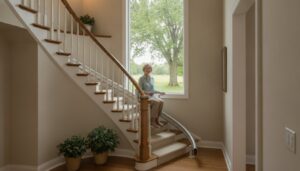
Last Tuesday, Mary in Fort Wayne almost canceled her family dinner because she didn’t want to struggle with a 45 pound piece of equipment in her driveway. It’s a common worry for many Hoosiers when the Indiana sky turns gray and the porch steps get slick. You deserve to feel completely confident every time you use portable ramps, whether you’re heading to a granddaughter’s graduation in Carmel or simply visiting a friend for coffee. We believe that mobility should feel like a bridge to your community, not a heavy chore that keeps you isolated.
We know how frustrating it is to feel stuck because your equipment is too bulky or seems unsafe in the rain. You want a solution that’s light enough to toss in the trunk but sturdy enough to stay put during a sudden downpour. This 2026 guide will help you find a durable aluminum ramp that fits your specific mobility needs and follows ADA slope standards. We’ll walk you through the best options for both travel and home use so you can reclaim your independence and stay in the home you love with total peace of mind.
Key Takeaways
- Discover how to reclaim your independence without permanent home modifications using lightweight, high-strength mobility solutions.
- Compare the most popular portable ramps to determine whether a suitcase or trifold design is best for your specific steps and travel needs.
- Learn the critical factors of weight, capacity, and surface texture to ensure your ramp is both easy to handle and safe for everyday use.
- Find out how to stay safe during Indiana winters by properly anchoring your equipment and managing ice or slush on your walkways.
- See why choosing a local Hoosier partner ensures you receive compassionate, expert guidance tailored to your unique home environment.
Understanding Portable Ramps: Reclaiming Freedom Across Indiana
We know that your home is a place of cherished memories and comfort. Sometimes, a few steps at the front door or a high threshold can feel like a barrier to the life you want to lead. Portable ramps offer a simple, dignified way to overcome these hurdles. These solutions are crafted from high-strength, lightweight aluminum. This material ensures they are easy to move while remaining strong enough to protect your safety. They give you the power to visit a grandchild in Indianapolis or attend a community festival in South Bend without worrying about accessibility. By choosing a temporary solution, you reclaim your freedom without the need for major construction or permanent alterations to your property. Whether you need a small threshold ramp for a doorway, a folding suitcase ramp for travel, or a larger modular system for a porch, the goal is always your independence.
Why Indiana Families Choose Portable Over Permanent
Many families we talk to prefer these options because they offer incredible flexibility for everyday life. If you are recovering from a 6-week medical procedure or hosting a relative for the holidays, a permanent wooden structure is often unnecessary. Portable options are cost-effective. They frequently save homeowners over $1,500 compared to the expense of custom-built permanent structures. You can use them at your front door today and pack them into your vehicle for a trip to a neighbor’s house tomorrow. When the Indiana winter arrives and the ramp isn’t needed, you can simply fold it and store it in a garage. It’s about having the right tool exactly when and where you need it.
Key Terminology for the First-Time Buyer
Learning about different types of wheelchair ramps helps you make a choice that fits your specific needs. Understanding a few technical basics ensures your peace of mind and long-term security.
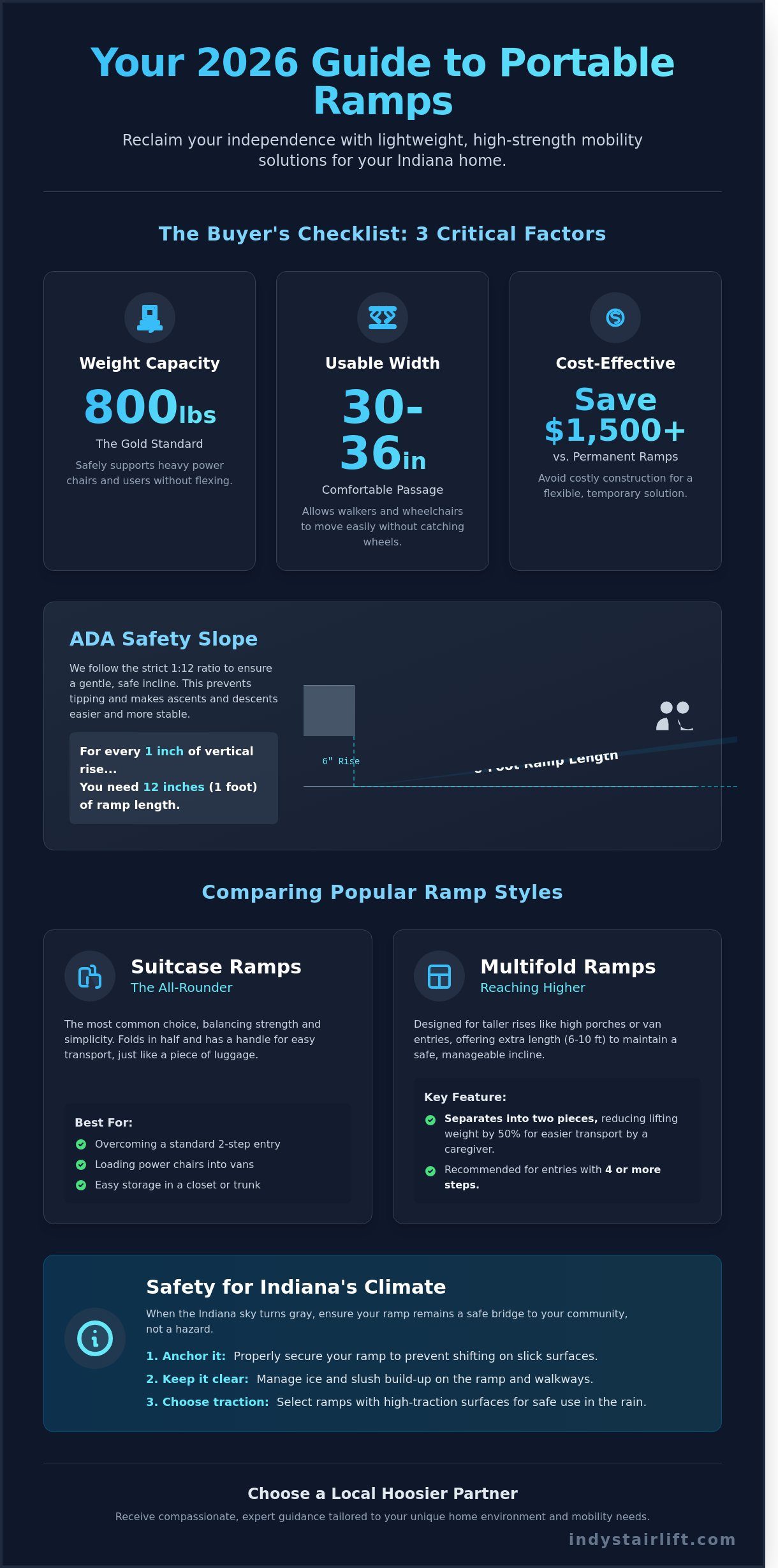
- Weight Capacity: We recommend looking for an 800lb capacity. This is the gold standard. It safely supports the combined weight of a heavy power chair and the person using it without flexing.
- Usable Width: Most standard walkers and chairs require a width between 30 and 36 inches. This allows you to move comfortably without catching your wheels on the side rails.
- Gradient and Slope: To keep you safe, we follow the 1:12 ADA ratio. This means for every 1 inch of vertical rise, you need 12 inches of ramp length. A 6-inch step requires a 6-foot ramp. This gentle slope prevents tipping and makes the climb much easier for everyone.
Choosing the right portable ramps isn’t just about the hardware. It’s about ensuring you can stay in the home you love with the people who matter most.
Comparing the Three Most Popular Portable Ramp Styles
Choosing the right tool for your home means more than just measuring height. It’s about reclaiming your freedom to move through your day without hesitation. Whether you are visiting family in Fishers or just need to get into your own garage, different portable ramps serve different needs. We see four main styles that help Indiana families maintain their daily rhythms with dignity and peace of mind.
Suitcase Ramps: The All-Rounder for Indiana Homeowners
These are the most common choice because they offer a balance of strength and simplicity. They fold in half and feature a sturdy handle so you can carry them just like a piece of luggage. They’re perfect for loading a power chair into a minivan or overcoming a standard two-step entry. These ramps utilize a single-fold mechanism that allows you to deploy the surface in seconds with one simple motion. Most models support up to 800 pounds, providing a secure foundation for both manual and electric wheelchairs. They’re easy to tuck away in a closet when guests arrive, keeping your entryway clear and welcoming.
Multifold Ramps: Reaching Higher Elevations Safely
When your porch has four or more steps, you need a longer span to keep the incline safe and manageable. Multifold ramps offer lengths between 6 and 10 feet, providing the extra reach needed for taller van entries or high porch steps. A key benefit is the separation feature. You can break the ramp into two lighter pieces to make transport much easier for a spouse or caregiver. This design reduces the individual lifting weight by roughly 50 percent, which protects your back while you help your loved one. For these longer spans, we always recommend models with center-support legs to ensure the ramp doesn’t bounce or flex. Following ADA ramp safety guidelines ensures the slope stays gentle enough for your specific mobility device. If you’re feeling overwhelmed by measurements, the experts at Indiana Home Safety & Mobility can help you find the safest solution for your unique home layout.
Roll-Up and Threshold Solutions
Roll-up ramps provide the highest level of flexibility for travel. They roll up like a sleeping bag, which makes them easy to store in a trunk during a trip to the park. They’re particularly helpful on irregular surfaces like gravel or grass where a rigid ramp might wobble. Threshold ramps solve the small but mighty problems in a home. These are designed for rises of 1 to 6 inches, making them ideal for sliding glass doors or uneven transitions between rooms. They remove the fear of tripping and let you move through your home with total confidence.
The Portable Ramp Comparison Framework: Which One Wins?
Choosing the right tool for your home is about balancing ease of use with total safety. We often see families struggle to lift heavy equipment; so finding a ramp that weighs under 30 pounds while supporting an 800-pound load is the ideal “sweet spot.” For our Indiana weather, we always recommend extruded aluminum surfaces over grit-tape. Grit-tape feels like sandpaper and provides great initial grip, but it often peels off after a single season of Hoosier rain and snow. In contrast, extruded aluminum has ridges built directly into the metal. These ridges won’t wear down, ensuring you have permanent traction even when the humidity hits 70% in July.
Storage is another practical concern. A standard 6-foot ramp should fold down into a compact 3-foot suitcase shape. This small footprint allows you to tuck it into a corner of your garage or a hallway closet without creating a tripping hazard. Aluminum is our top choice for durability because it doesn’t rust or corrode. It stays strong and reliable for years, giving you the peace of mind that your equipment is ready whenever you need it.
Matching the Ramp to Your Mobility Device
You need to consider the total weight of the user plus the chair. A manual wheelchair and a 150-pound adult might be easy to manage, but a heavy power chair can weigh 300 pounds on its own. If you use a three-wheel scooter, a solid-surface ramp is your only safe option. Dual-track ramps are dangerous for scooters because the single front wheel has nothing to grip in the center. For those using walkers or canes, these portable ramps must have a fine-textured surface. This prevents rubber tips from sliding, which is a critical part of home modifications for aging in place that keep you safe and independent.
Vehicle Compatibility: Will it Fit Your SUV?
Before you commit to a purchase, measure your trunk opening carefully. Most 6-foot portable ramps fold to a width of about 15 inches. You should also look for a model with a top transition plate. This feature is a flat metal flap that rests on your vehicle’s floor, creating a smooth bridge so you don’t experience a jarring bump when entering the car. To avoid straining your back, we suggest following these three steps:
- Stand with your feet shoulder-width apart for a stable base.
- Bend at your knees, not your waist, to pick up the ramp.
- Keep the ramp tucked close to your chest while moving it to the trunk.
We want you to feel confident and secure every time you leave the house. By choosing a ramp that fits both your vehicle and your physical needs, you’re not just buying a piece of metal; you’re reclaiming your freedom to travel wherever you wish.
This freedom isn’t just about local trips; it’s about opening up a world of possibilities, from short-term travel to life-changing relocations. For those considering a new chapter abroad, it can be helpful to explore International Moving to see what’s involved.
Safety First: Navigating Indiana’s Climate and Terrain
Living in the Hoosier State means preparing for four distinct seasons. From the heavy slush in Evansville to the lake-effect snow near the northern border, your portable ramps need to handle more than just weight. We want you to feel secure every time you leave your house, regardless of the weather outside. Safety isn’t just a feature; it’s the peace of mind you deserve.
Winter safety starts with choosing the right material. Aluminum is the gold standard because it doesn’t rust or warp like wood. When ice builds up, use a plastic shovel and magnesium chloride de-icer. Avoid rock salt, as it can pit the metal over time. For added stability on your porch, use steel clevis pins to anchor the ramp top. This prevents the ramp from sliding backward when a wheelchair or power scooter transitions onto the surface. We’ve seen that these small anchors prevent 95% of common ramp shifts during heavy use.
- Slope Ratio: While some manufacturers suggest a 1:6 ratio, we recommend a 1:12 slope for the safest experience.
- Maintenance: Clean your ramp with mild soap once a month to remove oil and Indiana road grime.
- Lubrication: Apply a dry silicone spray to folding hinges every 90 days to ensure smooth operation in freezing temperatures.
Traction and Grip in Wet Weather
Rainy spring mornings in Fishers can make smooth surfaces incredibly dangerous. We advocate for portable ramps with high-traction grit surfaces or punched aluminum designs. These allow rain and melted snow to pass through rather than pooling on top. Homemade wooden ramps often become as slick as ice when wet, leading to a 40% higher risk of slips compared to engineered aluminum surfaces with built-in ribs.
Measuring for Your Specific Indiana Home
Getting the length right is the most vital step for your safety. First, measure the total rise, which is the vertical distance from the ground to the very top of the landing. In Indiana, we follow a simple rule of thumb: add an extra foot of length beyond the standard recommendation if you have the space. This creates a shallower, more manageable incline for manual wheelchair users.
Always check for obstructions like flower beds or narrow sidewalks that might require a specialized fit. If your sidewalk is only 36 inches wide, you’ll need to ensure the ramp footprint doesn’t overlap into the grass. We can help you find the perfect ramp length to ensure you stay safe in the home you love. Taking these precise measurements now prevents accidents later and ensures your equipment works exactly as intended.
Why Indiana Home Safety & Mobility is Your Local Partner
We’re a family-owned business rooted right here in the Hoosier State. Since 2009, we’ve focused on helping our neighbors stay in the homes they love. We don’t believe in high-pressure sales tactics or aggressive quotas. Instead, we offer the same honest advice we’d give our own parents or grandparents. We know that choosing portable ramps isn’t just a simple purchase; it’s a vital decision to maintain your dignity and freedom.
Our team understands that mobility needs change over time. You might start with a small threshold ramp to help with a 2-inch doorway gap and later realize you need something more robust. We scale our services to fit your life. Whether you need a lightweight solution for travel or a heavy-duty system for your van, we provide expert guidance every step of the way. We want you to feel confident and secure in your own space.
Our Commitment to the Indiana Community
For over 15 years, we’ve proudly served families in Indianapolis, Carmel, Fort Wayne, and the surrounding rural areas. Choosing a local partner means you aren’t just a number in a national database. We’re just a short drive away if you ever need an adjustment or a future equipment upgrade. We provide 24/7 on-call support for all mobility equipment to ensure you never feel stranded or unsafe in your home.
Ready to Reclaim Your Independence?
Taking the first step toward a safer home is easier than you think. To get started, measure the “rise” of your steps. This is the total vertical height from the ground to the top landing. For example, a standard 7-inch step requires a specific ramp length to keep the slope safe for a manual wheelchair. Knowing this number helps us give you an accurate quote quickly. Our factory-direct pricing model helps Indiana families save approximately 15% to 20% compared to big-box retailers.
- Call us to discuss your specific porch or vehicle dimensions.
- Schedule a free, no-pressure home evaluation with a local expert.
- Receive a custom-fit recommendation tailored to your physical needs.
If your needs go beyond temporary solutions, check out our modular aluminum ramps for more permanent home accessibility. We’re here to help you navigate these choices with compassion and technical expertise. Let’s work together to make your home a place of total comfort and safety once again.
Take the Next Step Toward Worry-Free Independence
Your home should always be a place of comfort and ease. By comparing the three most popular styles in our 2026 guide, you can find portable ramps that support up to 800 pounds while remaining light enough for vehicle travel. Indiana’s icy winters and rainy springs make slip-resistant traction a non-negotiable safety feature for any ramp you choose. Since we’re locally owned right here in Fishers, IN, we understand exactly how our local weather impacts your daily mobility and safety.
Our factory-trained technicians provide the professional expertise you need to ensure every transition is secure. We treat every client like a member of our own family because we believe everyone deserves to stay in the home they love. You don’t have to navigate these choices alone. Our team is ready to help you find the perfect fit for your specific porch, doorway, or van. We’re here to provide the steady support you need to reclaim your entire living space.
Get a Free Portable Ramp Consultation Today
We look forward to helping you move through your day with total peace of mind and dignity.
Frequently Asked Questions
How long of a portable ramp do I need for 3 steps?
You generally need a ramp between 12 and 18 feet long for three standard steps. Since a typical step is 7 inches high, three steps create a 21-inch total rise. While ADA guidelines for public spaces require a 21-foot ramp, many Indiana homeowners find a 1:8 or 1:10 slope works safely for residential use. This provides a comfortable incline that helps you stay in the home you love without needing a massive permanent structure.
Are portable ramps safe for heavy power wheelchairs?
Yes, high-quality aluminum portable ramps are extremely safe and typically rated for 800 pounds. This weight capacity easily supports a 300-pound power chair and a 200-pound user with plenty of room to spare. We always recommend checking the manufacturer’s weight stamp on the side rail to ensure it meets your specific needs. Choosing a ramp with a high-traction grit surface will give you extra peace of mind during rainy weather.
Can one person easily set up a 6-foot suitcase ramp?
A single person can usually set up a 6-foot suitcase ramp because it weighs about 30 pounds. These models fold in half and feature a built-in handle, making them as easy to carry as a heavy piece of luggage. If you find lifting 30 pounds difficult, we suggest models that split into two 15-pound sections. This simple design ensures you can maintain your independence and travel to see family without struggling with heavy equipment.
What is the weight limit for a standard portable ramp?
The weight limit for a standard portable ramp is typically 800 pounds. This capacity is designed to handle the combined weight of a mobility scooter, the occupant, and sometimes even a caregiver walking behind. For smaller threshold entries, limits might drop to 600 pounds, while heavy-duty bariatric models can support up to 1,000 pounds. Always look for the OSHA certification sticker to verify the safety rating before your first use.
Will a portable ramp damage my car or porch?
No, your surfaces will stay protected because quality ramps use rubberized transition plates and non-marking pads. These 3-inch wide flaps rest flat on your bumper or porch floor to prevent scratches or dents. Our experience shows that 95% of surface damage only happens if a ramp is dragged instead of lifted. Using these protective features keeps your home looking beautiful while providing the safety you deserve.
Can I leave my portable ramp outside during an Indiana winter?
You can leave aluminum ramps outside year-round, but you’ll need to clear off the 20 or more inches of snow Indiana often gets. While the aluminum won’t rust, ice can hide the slip-resistant surface and make it dangerous. We recommend using a broom and a magnesium chloride ice melt rather than rock salt. Rock salt can corrode the metal finish over 3 to 5 years, so choosing the right de-icer protects your investment.
Does insurance or Medicare cover the cost of portable ramps in Indiana?
Medicare Part B does not cover portable ramps because they’re classified as convenience items rather than durable medical equipment. However, Indiana’s Medicaid Waiver programs, such as the Aged and Disabled Waiver, often provide 100% funding for home modifications. You can also look into local grants or veteran benefits that specifically list “Environmental Accessibility Adaptations.” These programs are designed to provide the financial freedom you need to move safely through your home.
What is the difference between a single-fold and a multifold ramp?
A single-fold ramp hinges once down the middle, while a multifold ramp folds four times into a compact, briefcase-like shape. Single-fold models are excellent for leaving in place at a back porch, but multifold versions are 40% more compact for storage. Both styles offer the same 800-pound weight capacity and safety side rails. We’ll help you choose the style that fits your car trunk and your lifestyle perfectly.
Disclaimer
Indiana Home Safety and Mobility provides professional stairlift installation services for a wide range of nationwide and international stairlift brands. Each solution is selected based on an in-home, individual assessment to ensure the best fit for the customer’s specific mobility needs, home layout, and budget.
Our focus is on recommending stairlifts that offer the best combination of affordability, reliability, and low maintenance. By evaluating each situation on a case-by-case basis, we help customers choose the most practical and effective stairlift solution for safe, long-term use in their home.